
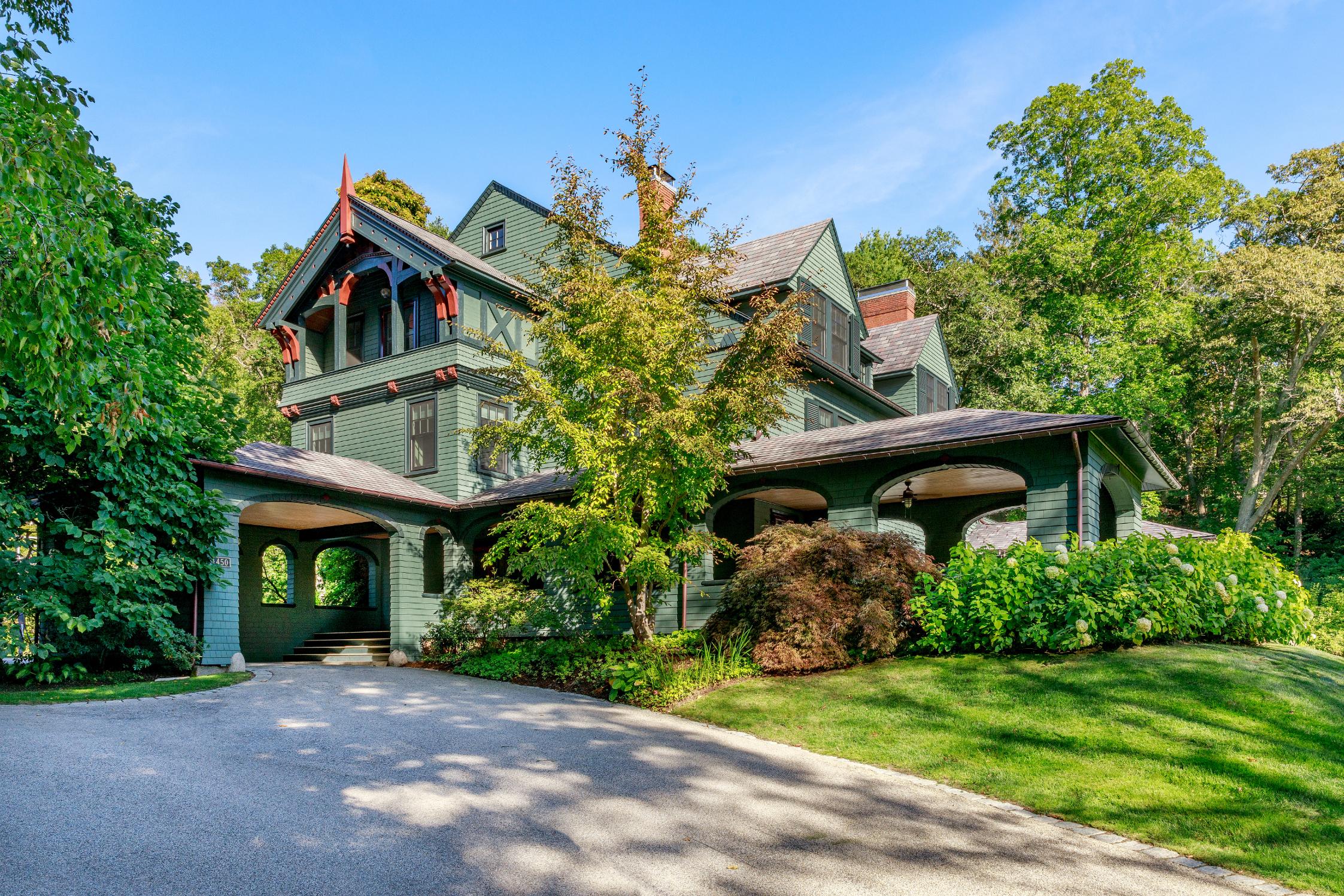
Boston, Massachusetts, is an American city that is known for its extensive architectural heritage and rich history. From imposing Victorian mansions, to gorgeous Colonial houses, Boston is many historic buildings. The ownership of an historic house in Boston can feel like holding an important piece of American heritage, however it’s also a obligation of preserving. Historical home remodeling and home construction renovations aren’t just to update the look of a building but are about keeping what’s important to historical buildings while making it more appealing in the present day for a more comfortable living.
If you’re proud owner of an old property located in Boston and are looking to start an historic home improvement project This guide will take through the essentials you have to know in order to repair the appearance, improve, or even enhance the historic home you have.
Introduction to Historic Home Renovations in Boston
The neighborhoods of Boston are filled with historical homes that showcase the diverse architecture of the city that spans from Federal or Greek Revival styles to Victorian-era residences. No matter if you’re the owner of a classical Beacon Hill townhouse or a mid-19th-century rowhouse located in the South End, historic home remodels can help retain the charm of these homes as well as adapt them to the modern lifestyle.
The process of historic home renovation goes beyond to replace old buildings with new. It is a delicate blend of keeping historical features while adhering to local laws while incorporating modern amenities. Explore ways you can start your historical remodeling of your home.
Understanding Historic Homes and Their Significance
Prior to beginning any remodeling project it is crucial to comprehend what it is that makes your house “historic.” These properties typically have the characteristics of cultural, architectural or historic significance. These historic properties in Boston include areas such as Back Bay, Charlestown, and Dorchester are often distinguished by unique designs, craftsmanship that is specific to a particular period and building materials that are not currently in use.
A proper renovation of your home’s historical features aims to highlight these characteristics. It doesn’t matter if it’s woodwork from the past and intricate plaster detailing and antique hardware those are characteristic of your home’s historical authenticity.
Planning a Historic Home Renovation
A well-planned plan is the foundation for a successful historical house remodel. Start by looking at the home’s present condition, and then identifying the points that need care. These include the foundation roof, roofing, electrical, plumbing, as well as any architectural features which define the home’s historical style.
It is vital to devise an extensive renovation plan that takes into account aesthetics and structural integrity. In the case of many old homes located in Boston keeping the floorplan that was originally designed is essential to preserve the historic charm of their homes, however changes may be required for security, accessibility and energy efficiency.
Study as well as Compliance to the Local Preservation Guidelines
In Boston there are many historical homes that are subject to preservation rules. Prior to beginning your historic home remodeling, verify if the home is in the Boston Landmarks Commission’s Historic Districts or the National Register of Historic Places. The designations have specific guidelines for changes or materials used, as well as maintenance.
The compliance with these rules will ensure that your historic home restoration stays true to its originality and contributes to the architectural legacy of the city. Infractions to these guidelines can lead to legal trouble or fines. Therefore, it’s vital to seek approval to your plans for renovations from the local historic commissions.
Key Elements of Historical Home Renovations
Exterior Restoration
The facade of an historic house is usually its main characteristic. A historic restoration of the exterior may involve:
- Restoring bricks or stonework Rempointing older bricks using mortar that is historically accurate.
- Window restoration Restoring or replicating wood-framed windows, rather than replacement with contemporary alternatives.
- Roofs and siding: Using products that are in keeping with the structure from the beginning, for example slate shingles, or wooden clapboards.
Interior Preservation
In the interior, historic home renovations usually focus on preserving the traditional woodwork, mouldings for plaster as well as fireplaces and floors. It can include:
- Repairing plaster walls Utilizing traditional methods to fix cracks or damaged.
- Refinishing wood: Sanding and refinishing wooden doors, floors, and the trim.
How to Choose the Right Materials for Historic Renovations
Selecting the correct material is crucial in an historical house remodel. It is important to select products that either belong to the building or similar to those used in the past. Find salvage yards and architectural salvage stores in Boston to find vintage hardware, fixtures, as well as other items that could give your remodel a unique look.
In particular, reclaimed wood as flooring or using vintage lighting fixtures will aid in maintaining the historic integrity of your house. If modern-day materials have to be chosen, choose one that is reminiscent of the past for example, the composite roofing, which resembles slate.
Restoring Architectural Details: Enhancing Your Home’s Character
The restoration of intricate architectural elements like cornices, wainscoting, crown moldings and more will enhance the historical style of your house. Highly skilled craftsmen and artisans can reproduce these elements in the event that they’ve been broken or are missing. When it comes to historical construction, it’s the little things are important. The restoration of original hardware like doorknobs hinges, as well as window locks can add value to the house’s unique charm.
Upgrade to modern Facilities, While preserving Historical Integrity
When you are considering historic renovations to your home, they must aim to protect the past but they also have to meet the demands of contemporary living. Incorporating modern features like contemporary bathrooms, kitchens and HVAC systems is able to be achieved without harming its historic appeal of the building. Install modern plumbing and wiring within the walls, or beneath flooring as well as use historical-accurate materials and fixtures that blend contemporary upgrades with traditional design.
Common Challenges in Historic Building Renovations
Historic building renovations can present unique challenges. Some of the most frequent issues are:
- Integrity of the structural Older residences often have dated or weak structural components which need to be reinforced with care.
- Paint with lead as well as asbestos Homes built before the 1980s often contain dangerous substances that require expert removal.
- Access to limited material: Finding suitable materials to make repairs may be difficult, and could necessitate custom-made fabrication.
Expertise from specialists with the field of historical construction renovations can be essential in addressing these problems quickly and efficiently.
Work with experienced contractors specializing in historic Renovations
In order to ensure the success of your renovation to an historic home work with contractors that have worked on historic buildings. They know the specifics dealing with buildings that are older including obtaining permits, to finding the right materials for your period. Their knowledge can assist you in navigating the unique requirements associated with restorations to homes that are historical, and guarantee that you are in compliance with the standards of preservation in order to achieve your goals for renovations.
Costs and Budgeting for Historic House Renovation
Home renovations that are historic may be more costly in comparison to standard home renovations due the necessity for specific supplies, skilled workers, as well as potential structural repair. Prior to starting, create an accurate budget which accounts for the unexpected costs for instance, hidden structural issues or the cost of compliance to local preservation regulations. Think about prioritizing the most important areas that require attention, like the restoration of the exterior or updating vital components like the electrical system and plumbing.
Eco-friendly Approaches to Historical Building Renovations
Implementing sustainable methods in your renovation of a historic home not just benefits the environment, but will also enhance the long-term value of your house. Insulate walls, installing windows with energy efficient designs that are reminiscent of historic styles, and utilizing eco-friendly construction materials will improve the efficiency of your home and preserve its historical charm.
Case Study: Successful Historic Home Renovations in Boston
An excellent example of well-constructed historic home renovation that has been successful within Boston is a townhouse built in the Victorian era located in Back Bay. The owners worked in close collaboration in conjunction with Boston Landmarks Commission to restore the structure’s brickwork as well as elaborate mouldings. Inside, they kept the magnificent staircase and rooms for the parlor as well as modernizing the kitchen and bathroom with period-appropriate fixtures. It’s an impressive blend of 19th-century style and modern day modern comfort.
Finding Financial Assistance and Tax Incentives for Historic Renovation
The process of renovating a home that is historic can be a costly undertaking however, there are incentives to consider. A lot of historic houses are located in Boston are eligible for tax credit and grants from programs like those offered by the Massachusetts Historic Rehabilitation Tax Credit. In addition, the federal Historic Preservation Tax Incentives program provides the tax benefit of 20% in the case of a certified renovation of historical buildings that generate income. Find out about local, state, as well as federal programs to with the cost of renovations.
Conclusion: Bringing New Life to Historic Homes in Boston
Home renovations that are historic is an act of passion, which requires commitment, focus on the smallest details, and a love for the preservation of history. If you’re renovating an impressive Victorian mansion situated in the South End or a quaint Colonial home located in Charlestown accepting the rich history of your property adds charm and worth. When you carefully plan your remodel and working with professional experts as well as preserving the historic architectural features to enhance the look of the look of your classic Boston house while also preserving its classic beauty for the future generations.
FAQs
Q1 What’s the difference between the modern and traditional remodels?
A1: The focus of historic renovations is on conserving the building materials and architectural features that make up a structure, whereas modern remodels focus on modernity and functionality. Home renovations that are historical involve the restoration of historic features while also complying with regulations for preservation.
Q2 What do I need to know about ensuring my renovation of my old home is in line with the Boston preservation law?
A2: Consult with Boston Landmarks Commission or a preservation architect to make sure that you are in the compliance. A historic commission’s approval is typically required prior to beginning an historic home renovation.
Q3. Could I have modern facilities in an old house?
A3: Yes, contemporary technology can be integrated in older homes. It is important to make sure that the latest upgrades, including plumbing, electrical systems as well as HVAC systems, are put in place in a manner that is discreet, so as to protect the home’s heritage.
Q4 What are the incentive programs for the financing of historic house improvements?
A4: There are federal, state local and state tax incentives, as well as grant programs for construction renovations. These include tax incentives and grants for historic building renovations, such as the Federal Historic Preservation Tax Incentives program as well as the Massachusetts Historic Rehabilitation Tax Credit.
Q5 What should I consider when choosing the most appropriate products for my renovation of my old home?
A5: Pick items that are in keeping with the house’s initial design, and use recycled or salvaged items whenever feasible. Consult with experts who are specialists in renovations of historic homes will assist you in identifying which materials are best suited to your renovation.
