
A Northern Attitude
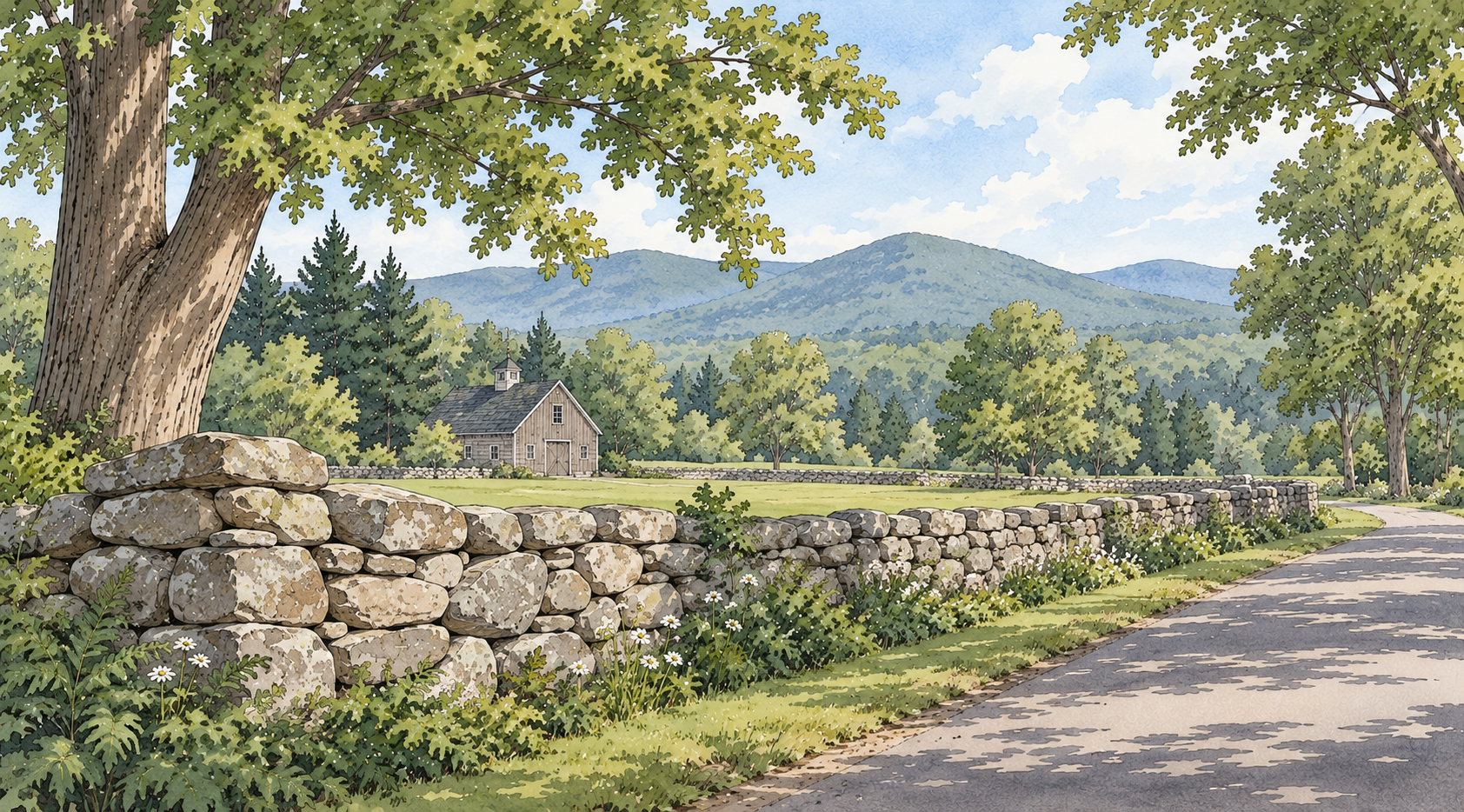
Driving through Vermont as we do each summer to pick up our daughters from camp, singing along with our favorite Noah Kahan song and taking in the mountain views, I often think about the colonial farmers who settled the land, building barns and farmhouses, tending to the fields and, of course, building the stone walls that have become such a defining part of the New England landscape.
Stone walls are synonymous with New England. Their origins were born largely from necessity.
The History of Stone Walls in New England
Land across New England contains a layer of glacial till just under the surface. This glacial till is made up of rocks and stones that glaciers picked up in their travels and then dropped across the region as the ice melted.
This made farming difficult. What’s more, as the ground froze each winter, frost heaves in the open fields pushed new stones to the surface, leaving farmers with a seemingly endless supply of fieldstone to contend with.
Farmers, needing clear fields to work, had little choice but to move and stack these stones each season. In doing so, they created field boundaries, marked lot lines and found a practical use for the stone they needed to get out of their way.
By the 1800s, sheep farming was expanding rapidly in Vermont. More fields were cleared, and more stone walls were needed to contain livestock. The result was a network of stone walls that would become one of the most recognizable features of the New England landscape.
Today, many of those walls remain, running through forests, alongside roads and across properties where the farmland they once divided has long since disappeared.
Dry Stacked vs. Mortared Stone Walls
Building homes on the North Shore of Massachusetts, we see lots of stone walls. They are part of the landscape here, particularly around older properties where fieldstone walls may have existed for generations.
Most of the original fieldstone walls we encounter are what we call dry stacked, sometimes referred to as dry-laid or dry stone walls. Being dry stacked simply means that no mortar is used. Instead, the walls rely on careful stone placement, balance and gravity to stay in place.
We find them as landscape features, lot markers and sometimes stacked more fancifully when the person building the wall wanted to make a statement.
In contrast to these dry stacked walls, most of the stone walls we build today are bonded together with mortar. Many people prefer a mortared stone wall because it tends to have a slightly more refined appearance while still giving off a strong Northern Attitude.
Mortared stone walls also tend to require less maintenance, and the use of mortar opens up options for structural applications. A stone wall can serve as a retaining wall, for example, while still feeling like a natural part of the surrounding landscape.
The Craftsmanship Behind a Stone Wall
Whether dry stacked or built with mortar, the craftspeople who build these walls are among the most talented, and highest compensated, tradespeople you will find on our jobs.
A good stone mason will go to the yard and choose his or her stones, build the proper base or footing to support the wall and execute a drainage plan so that the wall does not fail. From there, much of the work becomes artistry.
The craftspeople, often working in teams, choose the stones one by one, chip and sculpt them so they fit together precisely, and repeat the process.
The choices the masons make define the look and feel of the wall. Once the wall is built, they will often go back and sculpt the stone one last time, easing and smoothing edges or making other adjustments based on the design and type of stone being used.
It is slow, deliberate work, and when done well, the finished wall looks like it belongs exactly where it was built.
Choosing Stone for a New England Home
Speaking of types of stone, there are a wide variety available, each telling a slightly different story.
For most of our projects, we prefer a traditional New England stone of a medium size, set in a random pattern. It creates a look that feels appropriate to the homes and landscapes we work with throughout the North Shore.
Being on the North Shore of Massachusetts, we also have an affinity for using local Rockport granite. It looks amazing when presented in a more formal, stacked and organized pattern and can give the stonework an entirely different character.
Neither approach is necessarily better than the other. The stone, pattern and construction method should make sense for the home, the landscape and the role the wall needs to play.
Stone Walls and Historic New England Homes
On older properties, existing stone walls can be part of what gives the land its character. Like an original architectural detail on a historic home, an old fieldstone wall can tell you something about the property and how it was once used.
When planning a renovation or restoration, we think it is worth understanding those existing elements before deciding what stays, what changes and what new work should look like.
A stone wall does not need to be old to feel at home on a New England property. But the best new stonework tends to respect the materials, proportions and craftsmanship that have defined these walls for generations.
Stonework From Our Projects
We have been fortunate to work with some incredibly talented masons over the years, incorporating stone walls into landscapes throughout the North Shore.
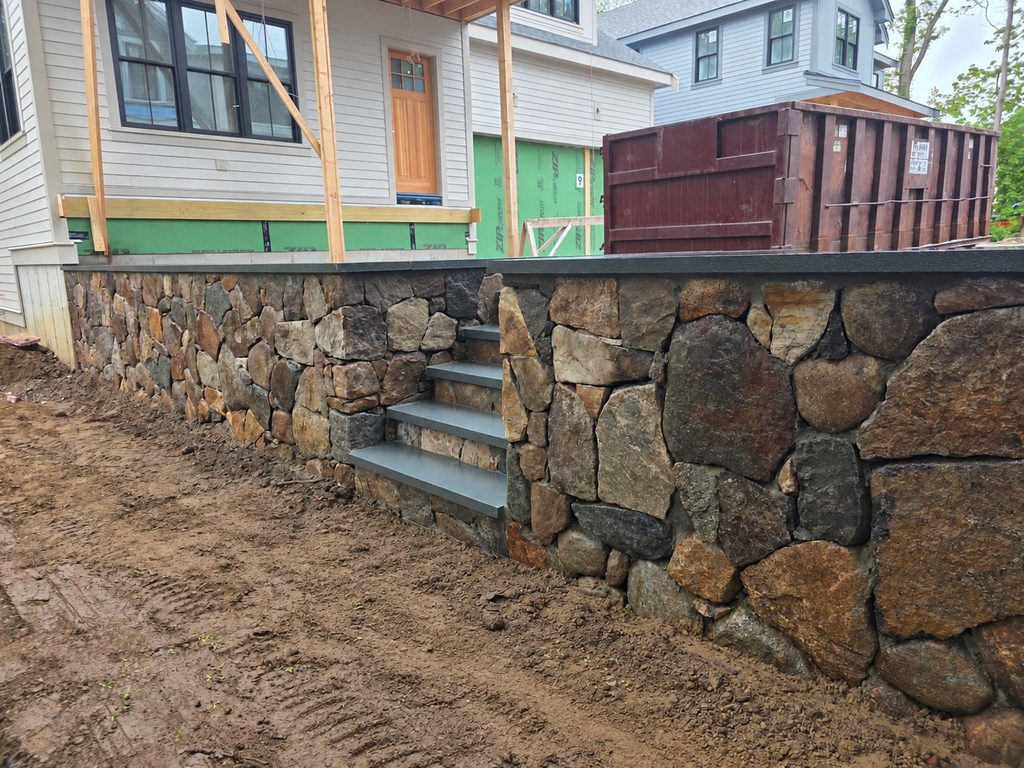
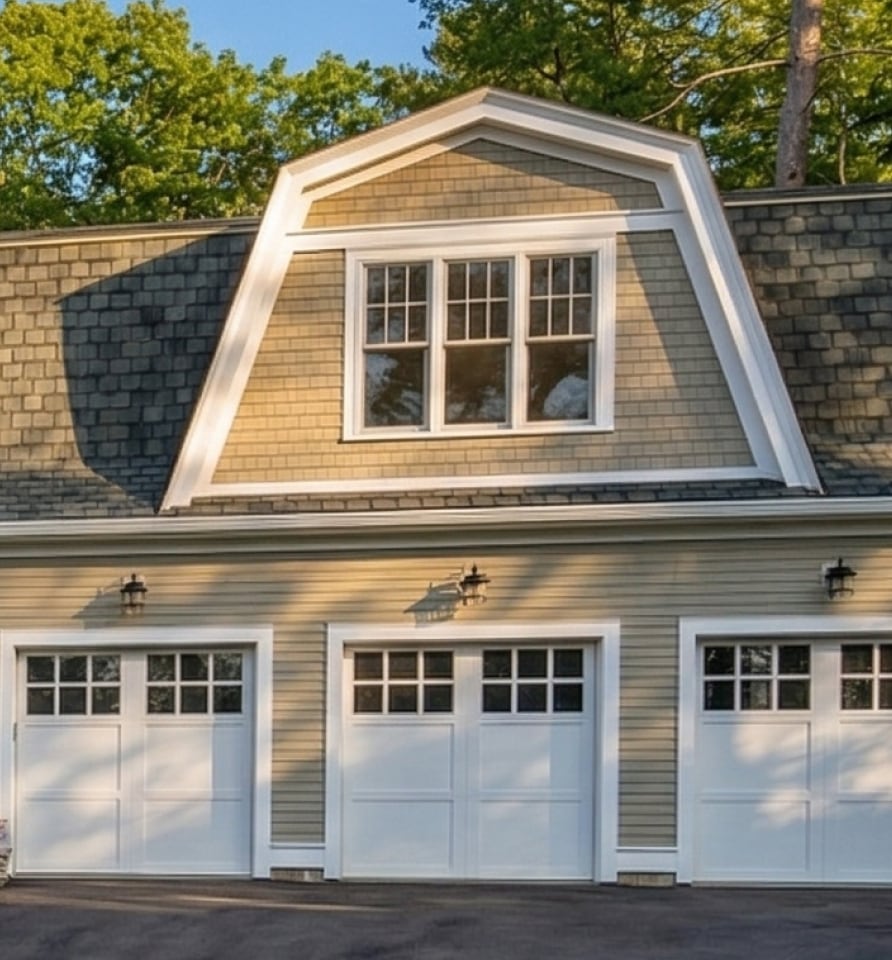
Stone wall and stairs with a bluestone cap being built at The Flatley Collection.
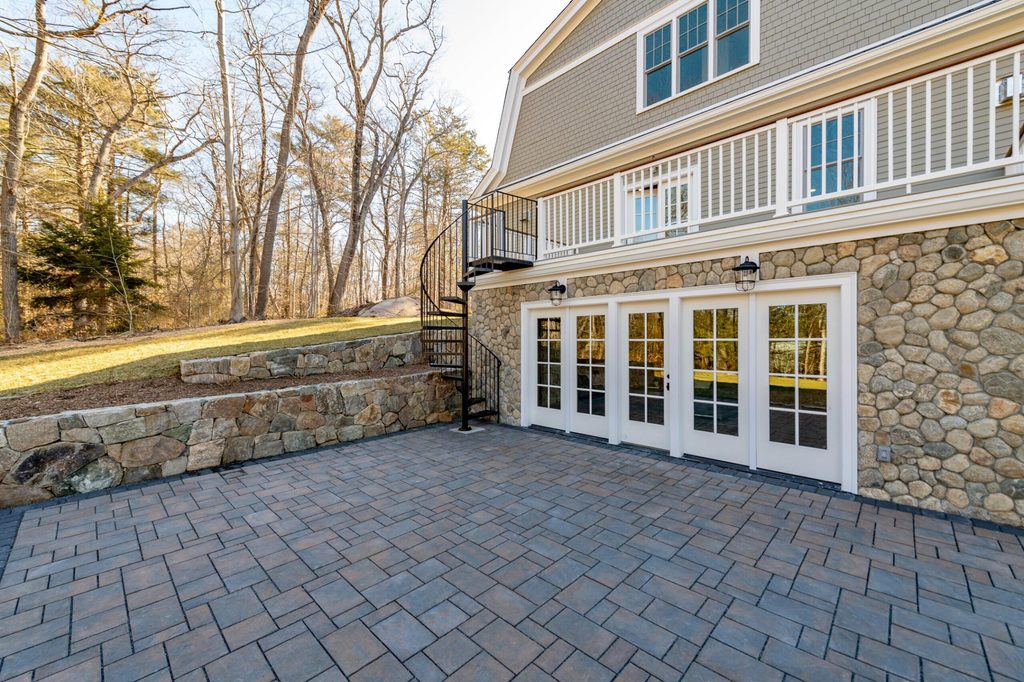
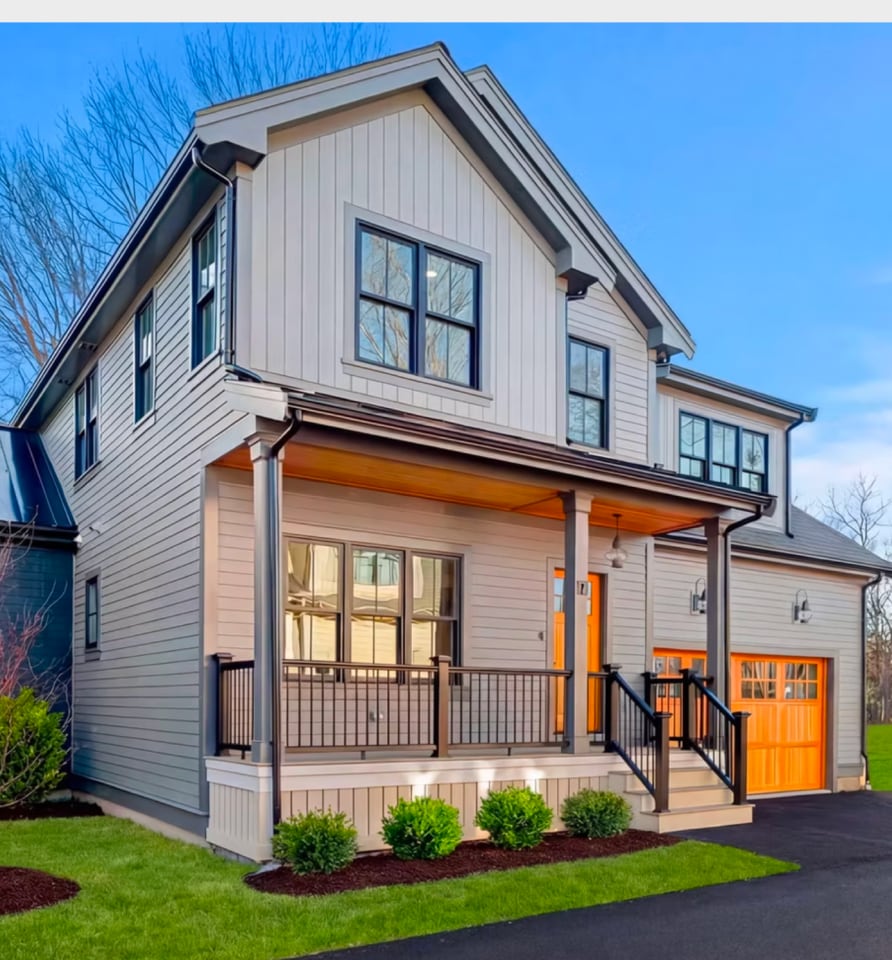
Rock walls to retain soil and also a real stone veneer which was applied to the exposed concrete wall at 14 Highland Avenue.
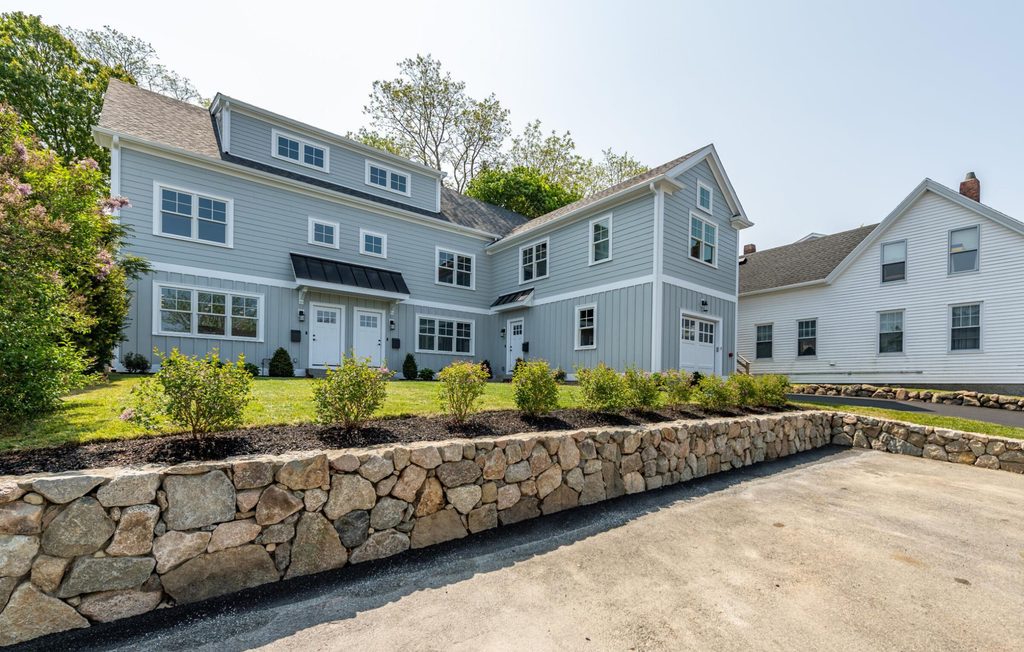
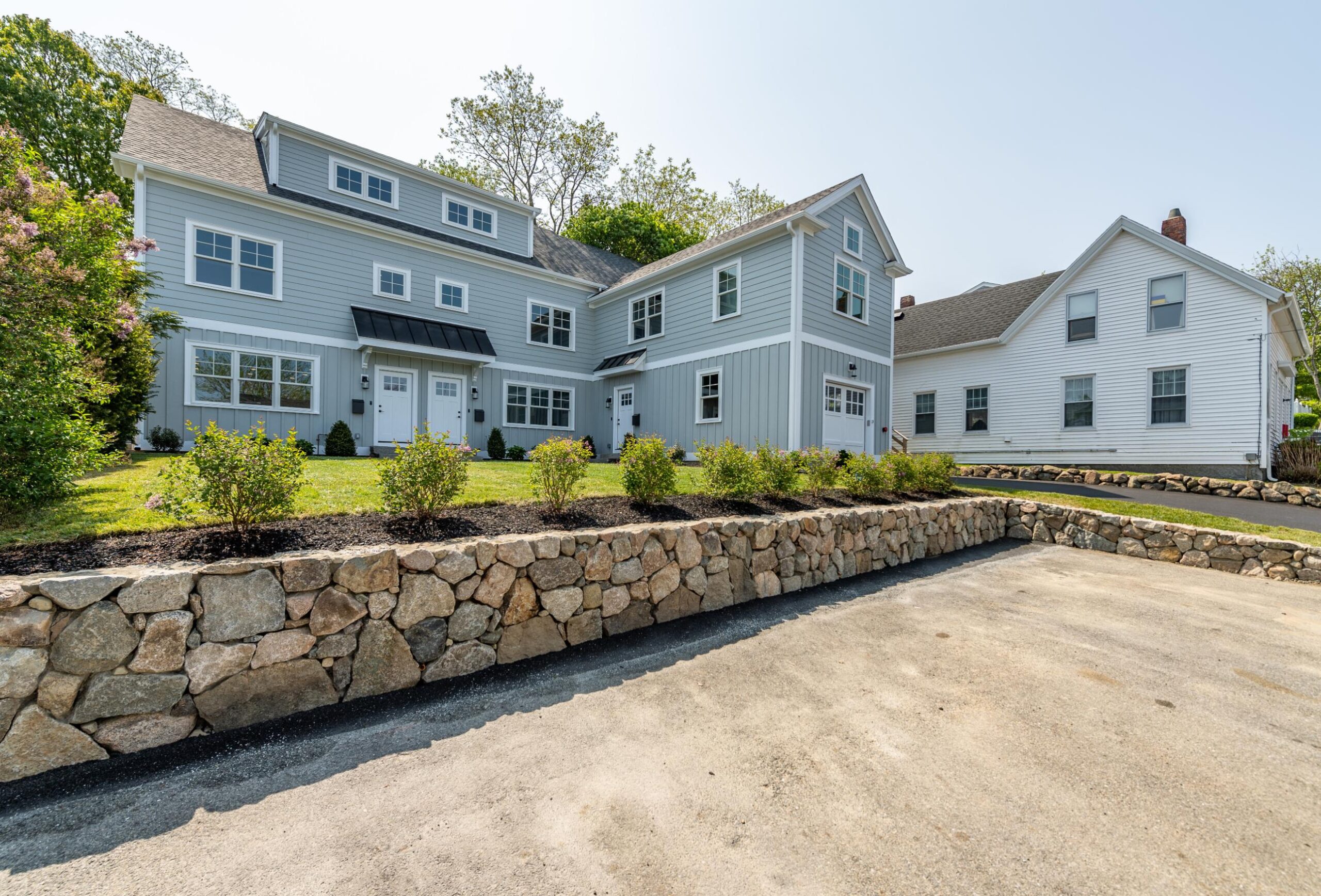
A stone wall around a parking area at 5 1/2 Prospect Street in Rockport.
Read more about these projects below:
Frequently Asked Questions
A fieldstone wall is traditionally built using stones collected from fields and the surrounding land. Across New England, many of these walls were originally constructed as farmers cleared their land for agriculture and used the stone to establish boundaries, mark property lines and contain livestock.
A dry stacked stone wall is constructed without mortar and relies on careful stone selection, placement, balance and gravity. A mortared stone wall bonds the stones together with mortar, which can create a more refined appearance and allow the wall to be used for certain structural applications, including retaining walls.
Traditional New England fieldstone works naturally with many Massachusetts homes and landscapes. On the North Shore, local granite, including Rockport granite, can also be used when a more formal or organized appearance is appropriate.
In many cases, yes. Existing stone walls can be an important part of the landscape and history of an older property. Whether a wall should be preserved, rebuilt or incorporated into new work depends on its condition, location and the overall plans for the property.
