
Construction Management
A successful residential project requires more than managing the work happening on site. Budgeting, scheduling, permitting, consultant coordination, communication, and countless decisions all need to come together at the right time. At Cedar Hill Construction Managers, our role extends well beyond construction itself. We work closely with homeowners, architects, consultants, and trade partners to manage the many moving parts of a project, anticipate challenges early, and create a clear, well-managed path from planning through completion.
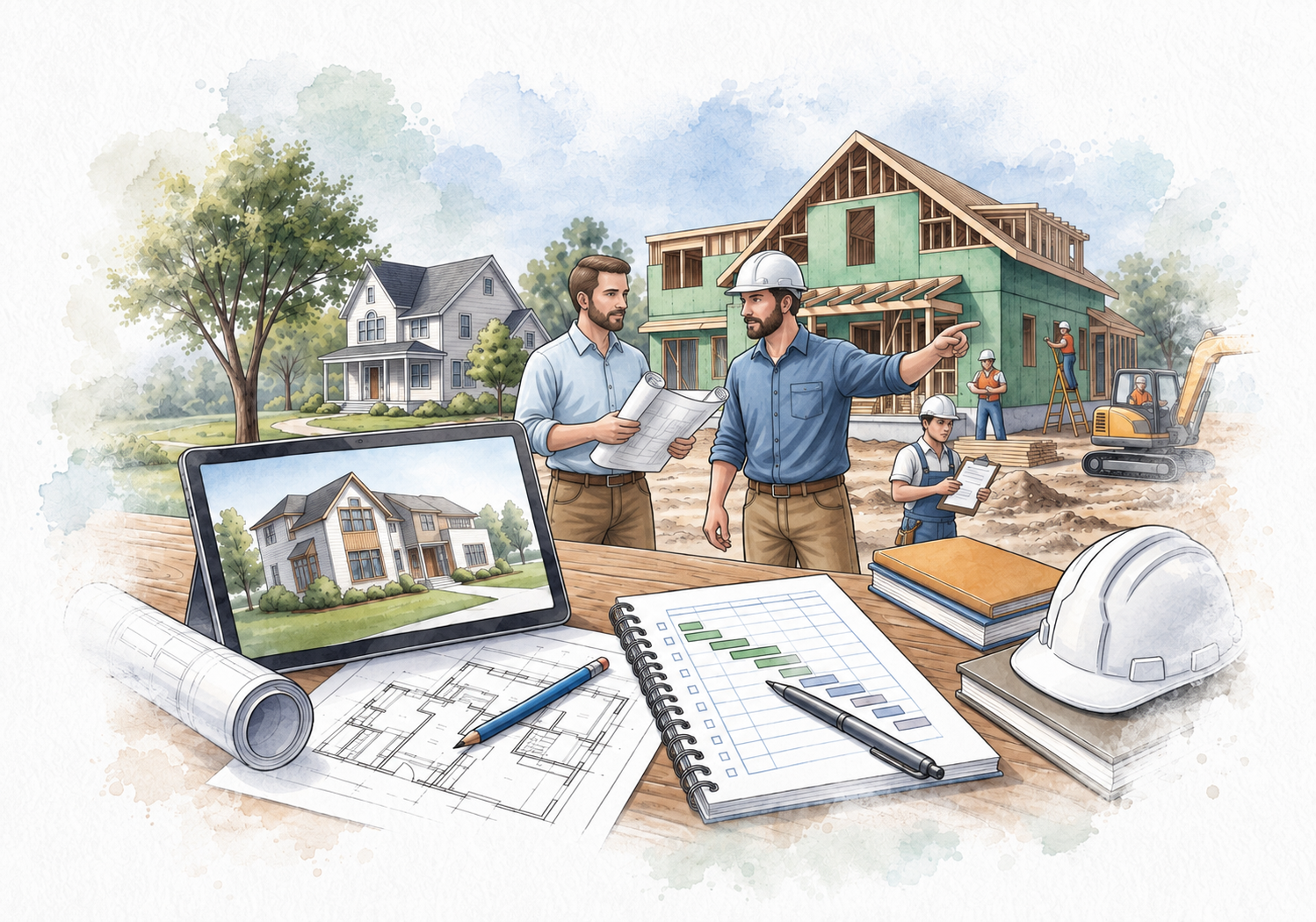
Whether you are planning a new custom home, a major renovation, or a complex residential project, effective construction management starts well before construction begins.
Some homeowners come to us with completed architectural plans and a team already in place. Others are earlier in the process and need help understanding feasibility, budgets, timelines, permitting, or what should happen next.
Wherever a project begins, our job is to bring structure to the process, connect the right people and decisions, and keep the work moving forward.
What Construction Management Really Means
Construction management is about seeing the entire project, not only the work happening on a particular day.
A residential project may involve homeowners, architects, engineers, consultants, designers, municipal departments, trade partners, suppliers, and other specialists. Each has an important role, and their work needs to connect.
Our job is to manage those connections: what needs to happen now, what needs to happen next, and how a decision made today may affect the budget, schedule, or construction months from now.
The result is an experienced team managing the process while homeowners stay informed and involved in the decisions that matter most, without having to manage every detail themselves.
Starting With the Right Plan
The earlier we understand a project, the more effectively we can plan for it.
Before construction begins, there are often important questions around design, feasibility, budget, permitting, schedule, site conditions, and overall scope. Addressing those questions early helps create a more realistic plan and reduces avoidable surprises later.
During the planning phase, we can help with:
- Reviewing architectural plans and construction details
- Establishing and refining project budgets
- Developing realistic construction schedules
- Evaluating existing site or building conditions
- Identifying permitting and approval requirements
- Coordinating with architects, engineers, designers, and consultants
- Reviewing material selections, availability, and lead times
- Identifying potential construction challenges before work begins
The goal isn’t to predict every detail before construction begins. That’s rarely possible.
The goal is to understand the project well enough to make informed decisions, establish realistic expectations, and create a thoughtful plan for moving forward.
Managing the Budget
A project budget should be a working tool, not a number established at the beginning and then set aside.
As plans develop and construction progresses, decisions around materials, finishes, building systems, site conditions, and scope can affect the overall cost.
We help homeowners understand those relationships and make decisions with the larger project in mind.
Early in the process, that may mean reviewing plans and identifying design choices with meaningful budget implications. During construction, it means communicating when new information or changes affect cost, explaining the available options, and helping the project team determine the best path forward.
A well-managed budget gives homeowners a realistic understanding of the project and remains useful throughout construction.
Building a Realistic Schedule
Residential construction is a sequence of interdependent work. Permits need to be secured. Materials need to be ordered. Trades need to be coordinated. Inspections happen at specific stages. Some decisions must be made months before the finished product is built.
We build schedules around those relationships and continue managing them as the project progresses.
Schedules can change. Weather, material availability, design revisions, site conditions, and other factors can affect timing.
Our responsibility is to understand those moving pieces, communicate when something changes, and continually look ahead to what needs to happen next.
Working With Homeowners, Architects, and Consultants
The best residential projects are collaborative.
Depending on the scope, the team may include an architect, interior designer, structural engineer, civil engineer, landscape designer, energy consultant, surveyor, or other specialists.
We work closely with these professionals throughout the project, reviewing plans, coordinating details, raising questions when clarification is needed, and helping translate the design into the work happening in the field.
That coordination matters because decisions overlap.
A structural detail may affect an architectural element. A mechanical system may influence a room layout. A material selection may change the construction sequence or schedule.
Bringing those conversations together is a central part of construction management.
Understanding the Property
Every property brings its own set of considerations.
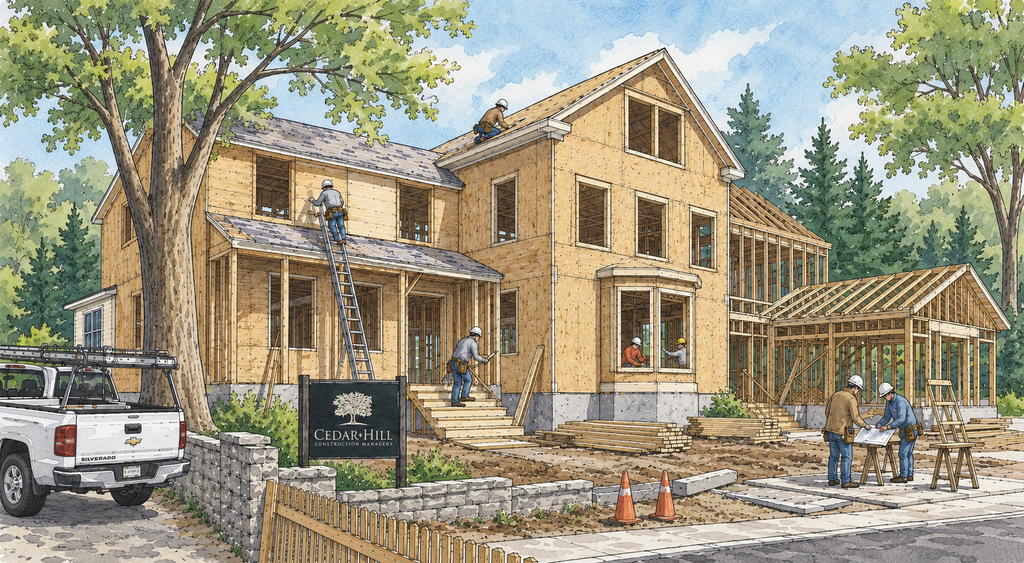
A coastal home may require a different approach than a property farther inland. A historic home may contain existing conditions that cannot be fully understood until work begins. A tight residential lot can affect access, deliveries, staging, and construction sequencing.
Local zoning, permitting, and historic requirements can also shape how a project moves forward.
That’s why construction management starts with understanding not only what is being built, but where it is being built.
Our Where We Work page provides more information about the communities we serve throughout metropolitan Boston, the North Shore, and Cape Ann, and the local considerations that can influence a residential project.
Managing Construction in the Field
Once construction begins, many details are moving at the same time.
Trades need to be scheduled. Materials need to arrive when they are needed. Questions from the field need answers. Inspections need to be coordinated. Decisions need to be made before they affect another phase of work.
Our role is to manage those details while continuing to look ahead. That may mean identifying a question in the architectural plans before a trade reaches that area, confirming a material selection before it needs to be ordered, or adjusting the construction sequence when an unexpected condition is discovered.
Construction will always involve problem-solving. What matters is having a team that recognizes issues early, understands how they affect the larger project, and works toward a practical solution.
Making Decisions at the Right Time
Homeowners make many decisions during a residential project, and the timing of those decisions matters.
Waiting too long to select a material with a significant lead time can affect the schedule. Changing a detail after related work is complete can affect both cost and timing. Making a decision too early, before enough information is available, can create its own challenges.
Part of construction management is helping homeowners understand which decisions are coming, what information they need, and when those decisions need to be made. That gives homeowners time to consider important choices while allowing the project team to keep construction moving.
Featured Project: The Farmhouse Residences
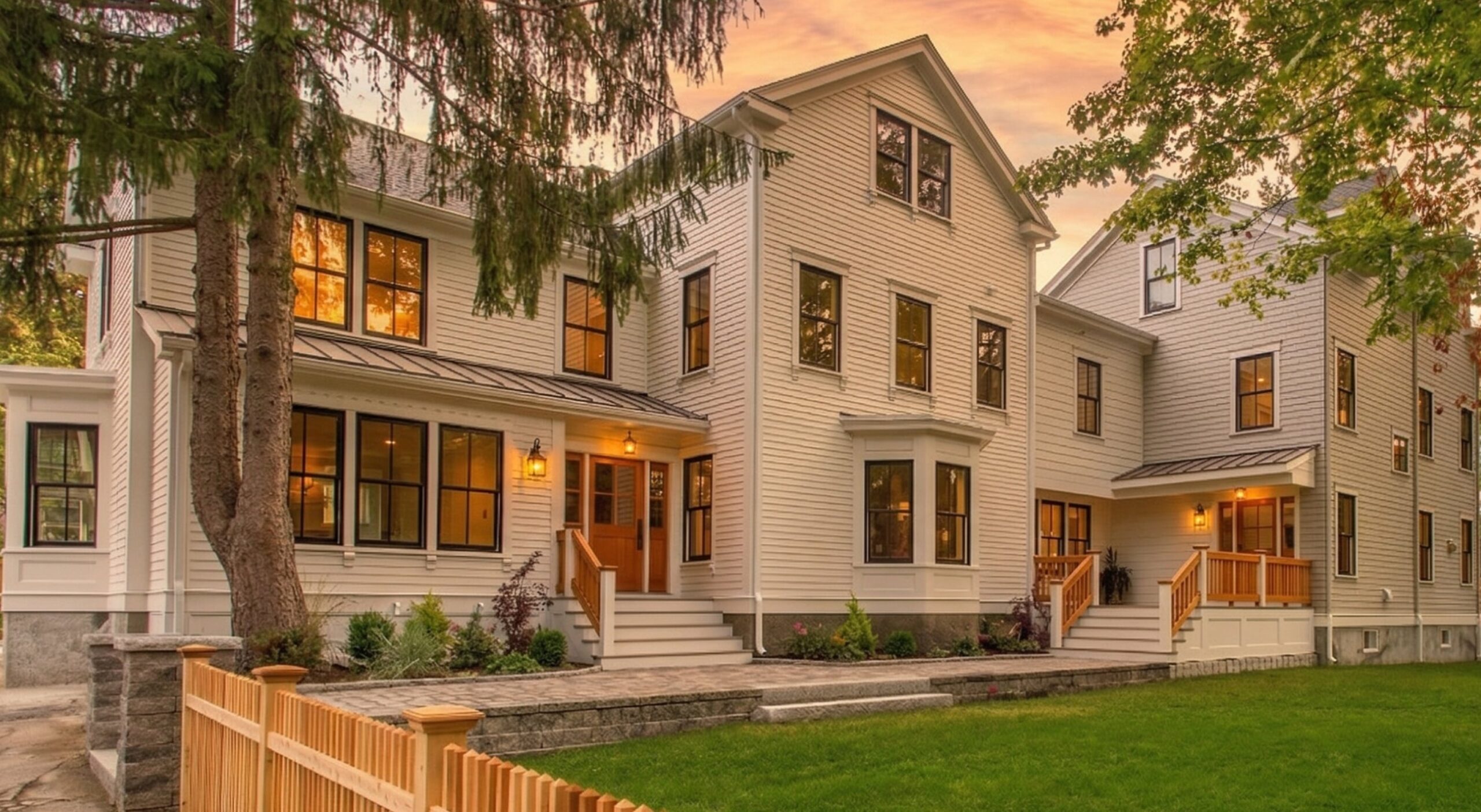
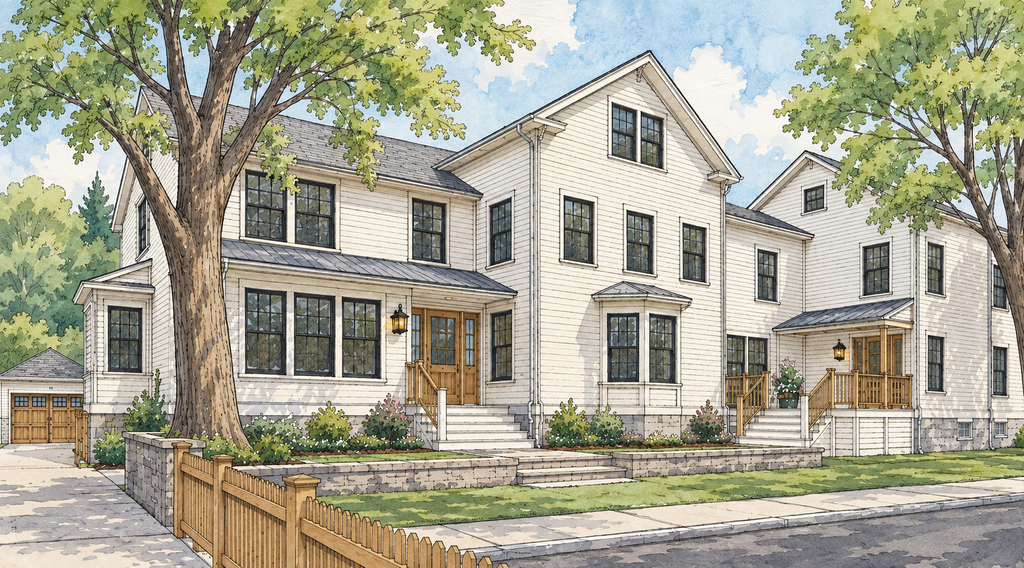
The Farmhouse Residences in Jamaica Plain are a strong example of coordinated construction management in practice.
The project involved two farmhouse-inspired residences on an oversized lot, with extensive architectural detailing, custom finishes, modern building systems, and thoughtfully planned outdoor spaces.
The work included custom inset cabinetry, wide-plank hickory flooring, beadboard ceilings, detailed millwork, marble and ceramic tile, professional-grade appliances, high-performance insulation, multi-zone HVAC systems, custom exterior elements, a private carriage house studio, and an eco-friendly stone-and-grass driveway.
Communication Throughout the Process
Homeowners should understand what’s happening with their project without feeling responsible for managing it themselves.
Clear communication is an essential part of making that possible.
Throughout construction, we keep homeowners informed about where the project stands, what’s happening next, which decisions are approaching, and when something may affect the budget or schedule.
Some conversations involve major changes. Others involve small details that need an answer before work can continue.
Both matter.
A residential project has a lot of moving pieces, but the homeowner should always understand the path forward.
Planning for the Unexpected
Even the most carefully planned residential project can uncover something unexpected.
This is especially true with renovations and historic homes, where existing conditions aren’t always visible before construction begins. New construction can present its own challenges related to site conditions, weather, material availability, or design changes.
Good construction management doesn’t mean pretending those situations will never happen. It means planning carefully, identifying potential challenges early, and having a clear process for responding when new information arises.
When something changes, we work with the homeowner and project team to understand the issue, evaluate the options, and determine the best way forward.
Is Construction Management Right for Your Project?
Construction management can be especially valuable for projects with a significant number of moving pieces, professionals, decisions, or site considerations.
It may be a good fit if you:
- Are planning a custom home or ground-up residential project
- Are considering a major renovation or addition
- Own a historic or architecturally significant property
- Are working with an architect or design team
- Have a project involving complex site or permitting considerations
- Want help establishing and managing a realistic budget and schedule
- Need someone coordinating consultants, suppliers, and trade partners
- Want to remain involved in important decisions without managing the construction yourself
Every project is different.
The earlier the construction team understands the property, plans, budget, and homeowner’s priorities, the easier it is to create a thoughtful approach to the work ahead.
Why Homeowners Work With Cedar Hill Construction Managers
Construction management requires more than knowing how to build. It requires understanding how hundreds of individual decisions fit into a larger project, planning ahead, communicating clearly, coordinating professionals and trades, solving problems, and keeping sight of both the details and the finished home.
We approach each project with that larger picture in mind.
Whether we are managing a new custom home, a major renovation, or a complex residential property, our focus is on thoughtful craftsmanship, disciplined project management, clear communication, and getting the details right.
Planning Your Custom Home Project
You don’t need to have every detail figured out before speaking with a construction manager.
In fact, some of the most useful conversations happen early, while a project is still taking shape.
If you already have architectural plans, we can review the project from a construction perspective and begin discussing feasibility, budget, schedule, permitting, and next steps.
If you’re earlier in the process, we can help identify the questions that need to be answered and the professionals who may need to be involved.
The goal is to start with the right information and create a clear path forward.
Right Where You Live
We work throughout metropolitan Boston, the North Shore, and Cape Ann. Past projects range from single-family homes in Cambridge to condominium developments in Jamaica Plain to the renovation of historic homes in Manchester-by-the-Sea.

Frequently Asked Questions
A residential construction manager oversees and coordinates the many parts of a home construction or renovation project. That can include preconstruction planning, budgeting, scheduling, permitting, consultant coordination, trade management, material planning, homeowner communication, and oversight of the construction itself.
The earlier, the better. Involving a construction manager during planning or design creates an opportunity to evaluate feasibility, budgets, schedules, site conditions, permitting considerations, lead times, and construction details before work begins.
Yes, we regularly work with architects, engineers, designers, consultants, and other professionals. Close collaboration between the design and construction teams helps keep details coordinated as a project moves from plans into the field.
Yes, budgeting and scheduling are core parts of construction management, and both continue to evolve as plans develop, decisions are made, and construction progresses.
Yes, our work includes custom homes, ground-up construction, major renovations and additions, historic homes, and other complex residential projects.
We work throughout metropolitan Boston, the North Shore, and Cape Ann. Visit our Where We Work page to learn more about the communities we serve.
Let’s Start the Conversation
Every project starts with a conversation. Tell us about your property, your goals, and what you are hoping to create. We'll help you understand the process, answer your questions, and determine the best path forward.